

-

Alice
Victor
Alice
Victor
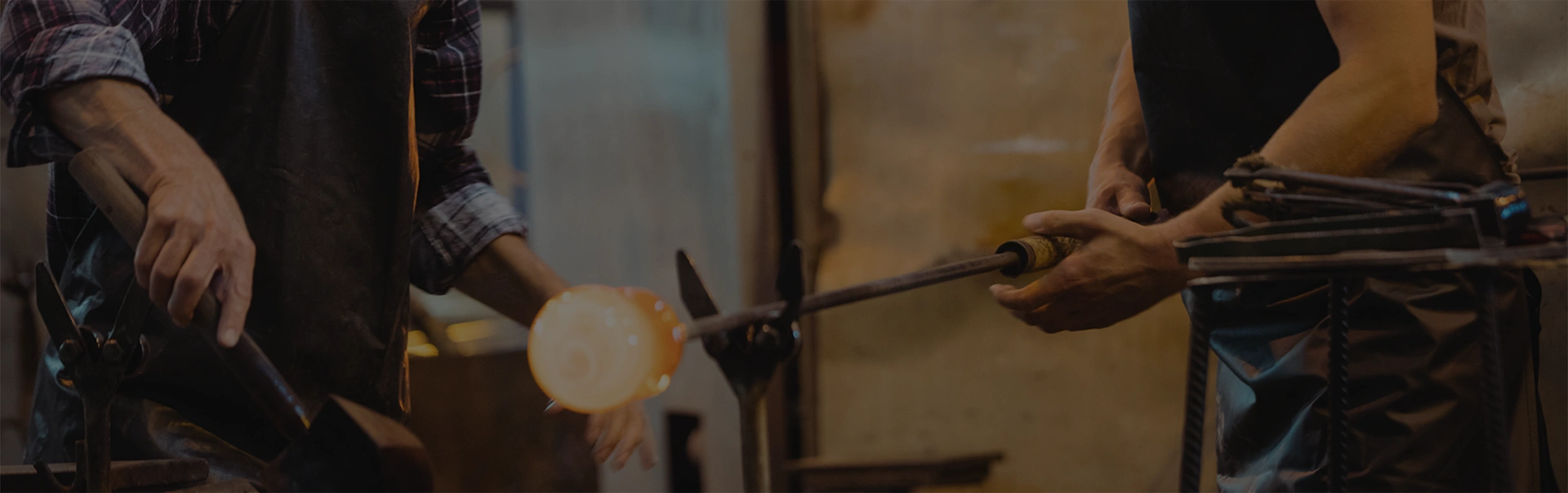
This article provides a concise comparison of Borosilicate Glassware (functional, heat-resistant) and Crystal Glassware (luxury, aesthetic) to guide product selection for daily use, hospitality, and special occasions.
Borosilicate Glassware
| Advantages | Limitations |
|---|---|
| Unbreakable under extreme temperature shifts | Dull shine (no high refractive sparkle) |
| Neutral taste (does not alter beverage flavor) | No resonant "ring" when tapped |
| Long lifespan (resists chips/scratches) | Minimal decorative potential (no intricate cutting) |
| Versatile for cooking, storage, and dining | Less premium aesthetic for formalevents |
Crystal Glassware
| Advantages | Limitations |
|---|---|
| Exceptional clarity & light refraction (sparkle) | Fragile (easily chips, cracks, or breaks) |
| Resonant musical tone when tapped | Not heat-safe (unsuitable for hot drinks) |
| Intricate cutting & decorative designs | High maintenance (requires careful hand-washing) |
| Enhances wine aroma/flavor (designed for sommeliers) | Higher cost (craftsmanship + materials) |
Recommended Applications
| Borosilicate Glassware | Crystal Glassware |
|---|---|
| Daily coffee/tea mugs, water tumblers | Wine glasses, champagne flutes, cocktail coupes |
| Kitchen bakeware, storage containers, measuring cups | Formal dinnerware, gift sets, display pieces |
| Commercial use (cafes, restaurants, labs) | Special occasions (weddings, anniversaries, galas) |
| Hot beverage service (tea pots, thermal carafes) | Spirits decanters, stemware for tastings |
- Choose Borosilicate if you prioritize safety, durability, and versatility for everyday household or commercial use.
- Choose Crystal if you seek aesthetic elegance, sensory experience, and luxury for special occasions or wine appreciation.
Copyright © 2024 by Taosino All Rights Reserved-Borosilicate Glass Matufscturer-Crystal Glass Supplier
Designed by HUISHANG MEDIA